
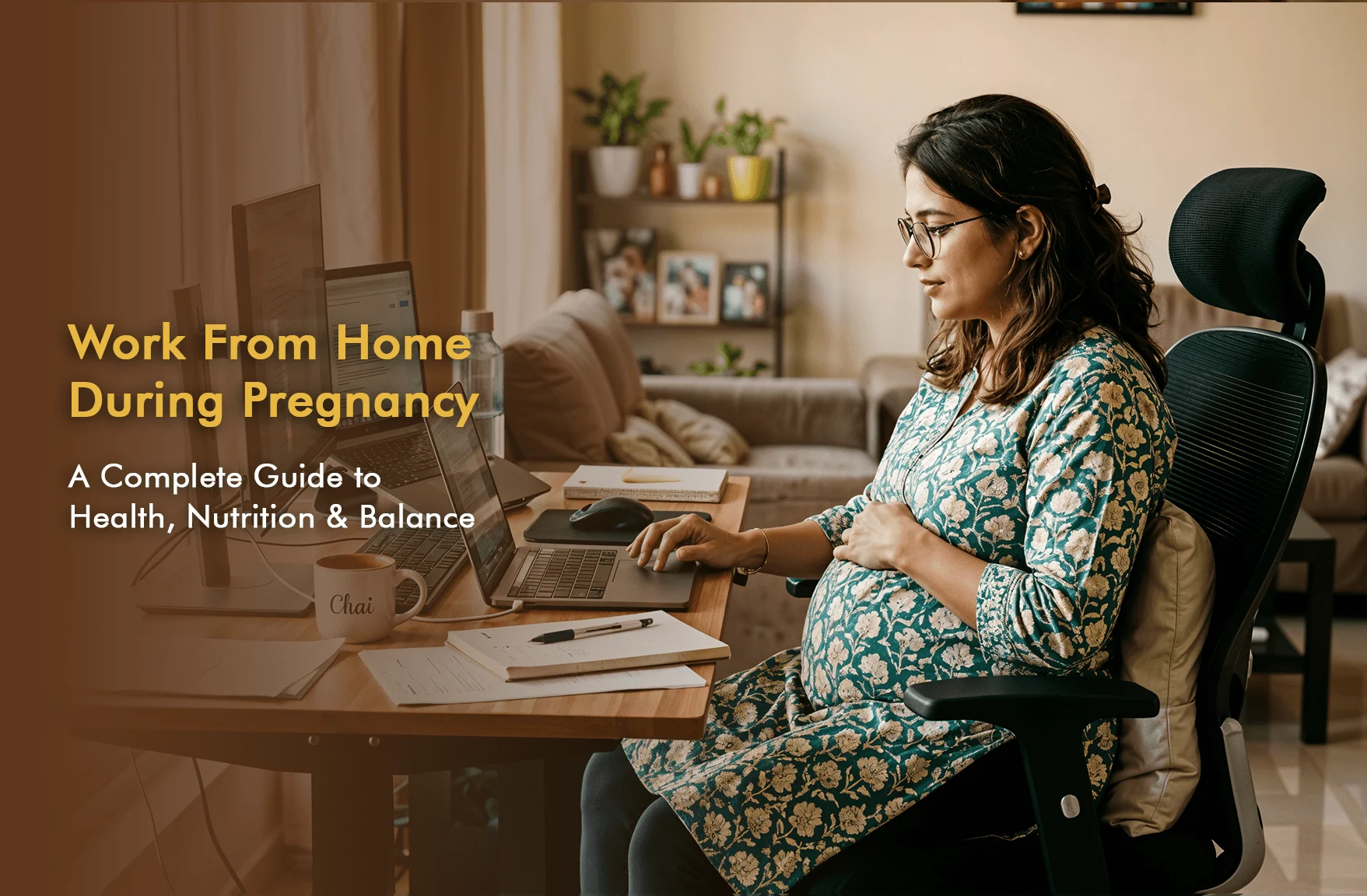
Work from home has become a normal part of modern life, especially after recent changes in both government policies and how companies operate. While the shift has been welcomed with open arms, it has brought along several challenges, especially for expecting working mothers.
On one hand, there is no daily commute, flexibility, and the comfort of staying at home to manage that morning sickness or fatigue. But, on the other hand, pregnancy brings its own physical and emotional changes that can make long hours of sitting, screen time, and irregular routines more challenging than expected.
To address the challenges that pregnant working mothers face while working from home, it is essential to find a balance. It requires awareness of posture, movement, nutrition, and mental well-being.
To help you thrive during this unique window, this comprehensive guide takes a complete look at the physical effects of remote work, alongside how expecting mothers can stay healthy through highly actionable blueprints for maternal workspace ergonomics, targeted nutrition, active movement, and crucial long-term family health decisions.
The Biggest Advantage of Working From Home During Pregnancy
Hormonal and physical changes during pregnancy alter the way the body responds to daily routines. And being at home is a great relief during this tenure.
The biggest pro of working from home during pregnancy is the flexibility and comfort of being in your own home.
You can rest when required, avoid travel fatigue, and manage your schedule with more control. This can be especially helpful during the first and third trimesters when tiredness is more common.
However, there is another side.
Few Cons of Working From Home During Pregnancy
Meetings, emails, and screen time can stretch the day without natural breaks like walking to the office or moving between spaces. Sitting for longer hours becomes normal, and this can lead to:
- Reduced physical movement
- Increased stiffness in the back and legs
- Screen fatigue
- Mental Fatigue
- Emotional Isolation
- Difficulty separating work and rest time
So while working from home offers comfort, it also requires conscious effort to stay active and balanced.
Common Challenges Expectant Mothers Face While Working From Home
Every pregnancy is different, but some challenges are commonly reported:
- Fatigue during the day : Energy levels fluctuate, especially in early and late pregnancy.
- Long sitting hours :Without realizing it, hours pass without movement.
- Difficulty focusing : Hormonal changes can affect concentration and memory.
- Irregular breaks : Work-from-home schedules often become continuous without planned pauses.
- Stress from multitasking : Balancing work deadlines with pregnancy-related changes can feel overwhelming.
Understanding these challenges helps in building a healthier routine.
Tips to Overcome the Challenges of Working From Home During Pregnancy
With certain changes in your daily routine and home workstation, it is easy to navigate through these challenges. Additionally, these small changes can help you maintain a healthy work-from-home routine in the future.
1. Ergonomics: Engineering Your Maternity Workstation
To protect your changing body from spinal compression and repetitive strain, your home desk needs some urgent modifications.
Here is a blueprint that you can follow to set up your workstation:
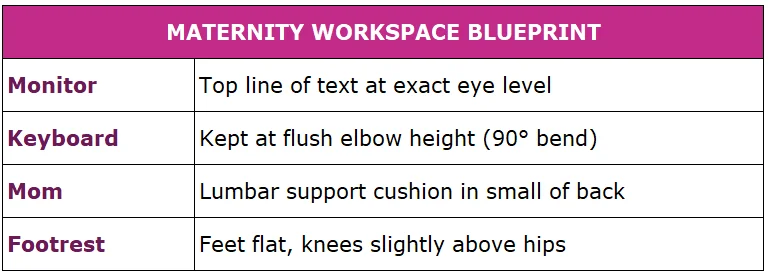
These improvements are essential to maintain:
● Spinal Alignment: During pregnancy, your spine and back are under significant stress, making it crucial to avoid working on a soft living room couch or in bed. It rounds your shoulders and strains your neck.
Instead, use a firm, dedicated office chair. Insert a rolled-up towel or a dedicated lumbar cushion into the small of your lower back to maintain your natural spinal curve.
● Ankle Support: Pregnancy naturally causes fluid retention and swelling (edema) in your lower limbs.
Keep your feet firmly supported on a specialized footrest, a low stool, or even a stack of sturdy books. This positions your thighs parallel to the floor and lifts your knees slightly above your hips, which dramatically reduces pressure on your lower pelvis.
● Wrist Position: During pregnancy, you are highly prone to developing temporary carpal tunnel syndrome due to localized fluid accumulation. Ensure your external keyboard and mouse rest at flush elbow height, allowing your wrists to remain straight and relaxed rather than angled upward or resting hard against the edge of the desk.

2. Nutrition Can’t be Ignored
When your kitchen is just a few steps away, it is hard to avoid mindless snacking and consuming empty calories. But pregnancy nutrition for working women must focus on sustained energy release rather than quick glucose spikes. You need to be extra careful with your nutrition.
- Do Not “Eat for Two”: Don’t fall for the myth of eating for two, wrt volume, especially while working a desk job. During your first trimester, your energy requirements remain largely unchanged. In your second and third trimesters, your body requires roughly an additional 300 to 350 clean calories per day.
- The Power Breakfast: Start your remote workday with a high-protein, high-fiber foundation. Combining eggs, sprouts, or paneer with complex whole grains prevents mid-morning energy crashes and reduces the intense cravings that lead to high-sugar processed snacking.
- Iron & Hydration Infrastructure: Set a persistent desktop reminder to drink water. Proper hydration keeps your amniotic fluid levels healthy and fights off cognitive fatigue.
Pair your hydration with iron-rich foods (like spinach, lentils, and pomegranate) and vitamin C sources to maximize iron absorption and support your expanding blood volume.
3. Desk-Friendly Movement and Exercise
Staying active while bound to a remote work schedule is essential for managing your delivery stamina. Before initiating any routine, ensure you have explicit clearance from your OB-GYN.
- The 50-Minute Circulation Break: Never sit continuously for more than an hour. Every 50 minutes, stand up and walk around your room for 5 minutes. While on audio-only corporate calls, practice gentle dynamic stretching—such as slow ankle rotations to pump pooled blood back up to your heart, and slow shoulder rolls to relieve neck tension.
- Targeted Second Trimester Movement: Incorporating low-impact, safe exercises during the second trimester can be done easily right next to your desk. Practice gentle wall-squats to strengthen your pelvic floor and gluteal muscles, or engage in light cat-cow stretches on a yoga mat to instantly relieve the lower back strain caused by typing.
- The Evening Decompression: Conclude your workday by completely shutting your laptop and committing to a 20-minute brisk walk in an outdoor space. This low-impact cardio regulates blood sugar levels, reduces gestational hypertension risks, and clears your mind after a long day of screen time.
4. Managing Stress & Mental Wellbeing
Working from home can sometimes increase stress because work and personal life happen in the same space.
A few simple practices can help:
- Setting clear work hours and practicing them
- Taking short mental breaks between tasks
- Avoiding overloading your schedule
- Spending a few minutes doing deep breathing or quiet rest
- Prioritizing sleep and rest whenever needed
Support from family members or partners also plays an important role in reducing stress.
Mental well-being is just as important as physical health during pregnancy. Don’t ignore it.
5. Building a Healthy Daily Routine
A balanced routine helps bring structure to the day and reduces fatigue.
A simple example:
- Morning: light stretching + breakfast
- Work block 1: focused work session
- Mid-morning break: short walk or movement
- Lunch: balanced meal + rest
- Work block 2: meetings or lighter tasks
- Evening: gentle walk + relaxation
- Night: early sleep routine
The key is not perfection, but consistency.
6. Slow Down When Needed
Every pregnancy is unique, and it is important to listen to your body.
You may need to slow down if:
- Fatigue becomes persistent
- Sitting causes discomfort
- Stress feels overwhelming
- Sleep is affected regularly
In such cases, adjusting workload or discussing changes with a healthcare professional can be helpful. And remember to ask for support whenever needed.

Conclusion :
Working from home during pregnancy offers flexibility, but it also brings new responsibilities toward self-care.
The key is balance—between movement and rest, work and relaxation, nutrition and hydration.
With small daily habits like regular breaks, simple exercise, mindful eating, and stress management, expecting mothers can create a healthier and more comfortable routine.
Pregnancy is a unique journey, and every experience is different. Listening to your body is the most important guide throughout this phase.
If you are expecting and want to learn more about pregnancy wellness, lifestyle planning, and long-term decisions for your baby’s future, connect with a StemCyte expert for simple, guided support tailored to your journey.











Leave A Comment